

Sell Identity, Not Geography
We know.
Your sunsets are spectacular. Yes, your drone pilot absolutely deserves some kind of award for that coastline footage.
You’ve reached the point where your destination, tour, or attraction no-doubt exists on planet Earth, and it is lovely.
Unfortunately, stunning scenery has become the expectation. Modern travelers can find what your beach looks like on Wikipedia before their first cup of coffee.
So while your entire marketing budget is busy answering “what does it look like there?” — your traveler is asking something far more interesting:
“Who do I become if I go there?”
It’s an emotive driver based in expected transformation and the humble brags that follow. And the tourism brands that have figured out how to answer to that are charging more, attracting better-fit guests, and building the kind of loyalty that doesn’t require a coupon code.

Beautiful Scenery Is a Commodity. Identity Isn't.
If the primary pitch for your tour, attraction, or experience is some variation of “beautiful setting, comfortable experience, great memories” — your competitive edge has become a price war. It’s an offer without conviction. Plenty of operators in your region offer something similar and several of them will happily undercut you if that’s the game being played.
Skift’s State of Travel research frames the evolution this way: the manufacturing economy sells goods, the service economy sells skills, the experiential economy sells memories. But there is a next level most tourism brands haven’t reached.
Dear friends, we’re talking about the transformation economy, which sells identity.
When you market geography or ambiguity like the views, the ambiance, the “world-class” this-or-that, you cap your revenue at whatever the going rate is for that broad descriptor.
In 2026, with every destination on earth photographed in golden hour light by someone with a ring light and a travel blog, that ceiling is lower than it used to be.
The brands breaking through it are selling something beyond the general geography and its expected fruits… it’s something for the traveler to take home that goes beyond a fridge magnet.
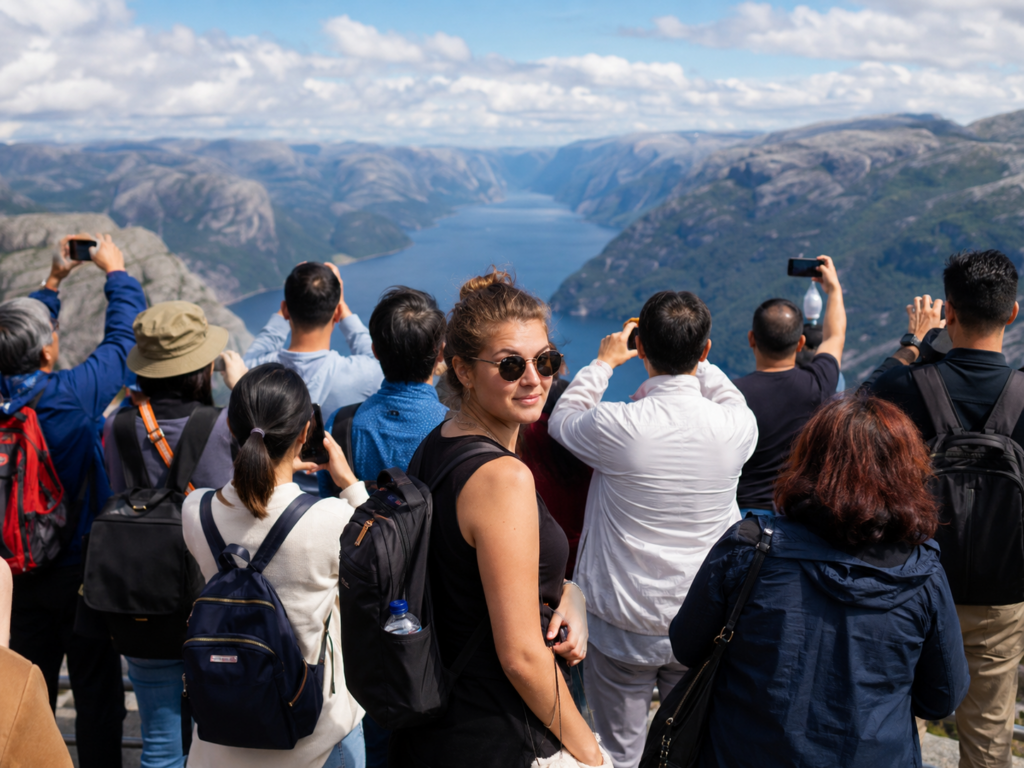
Travelers Are Buying a Better Version of Themselves. Are You Selling That?
GetYourGuide’s 2026 Hidden Travel Trends research found that 31% of vacationers now prefer to learn something new over buying a physical souvenir. They want to come home with a skill, a perspective, a story that belongs to them.
This means you are not marketing the basic cooking class.
YOU are offering the invite to a dinner party conversation where they’ll learn to make pasta from a real Nonna inside a hidden Roman courtyard.
Airboat tour? Nay nay. You’re offering the version of someone who knows the backwaters of the bayou, who can identify a roseate spoonbill by its silhouette, who has been somewhere most people haven’t, and who is absolutely not afraid of adventure.
It even shows up in sustainability behavior. Nearly 30% of global travelers now actively prioritize eco-friendly travel options — and while saving the planet is genuinely great, let’s be honest: part of the motivation is buying the social right to be seen as the kind of person who does.
Identity is driving the decision. The marketing needs to meet travelers there.
Question worth asking before you create any piece of content:
- “What does your guest get to say about themselves after experiencing what you offer?”
If you can answer that clearly, you have your strategy.
The "Something for Everyone" Trap (And Who It Hurts Most)
DMOs and tourism boards have it especially rough here, and it’s worth naming because the lesson applies to everyone.
There’s always a natural gravitational pull toward, “we have something for everyone.” And while that may be true, if messaging is not very careful, the result is marketing that makes everyone in the building feel represented and makes no traveler feel spoken to. It’s a multi-faceted context that deserves time, attention, and lots of segmented planning.
Brandwatch’s 2026 Digital Marketing Trends put it plainly: brands either drive culture or they follow it, and the ones trying to appeal to everyone end up meaning nothing to anyone.
Independent tour operators, attractions, and experience brands can benefit from simplicity here. They can work swiftly to can pick a lane, build a point of view, and market directly to the traveler who will love the product. That’s exactly the kind of brand positioning work we do with tourism clients, and the clarity on the other side of it changes everything.

Entertainment Has a Price Ceiling. Transformation Doesn't.
The tourism industry has been obsessed with “experiences” long enough that the word is starting to lose its weight. (Fun fact: It’s why The Von Mack Agency changed our tagline from “Marketing for Experiences” two years ago.)
A growing distinction has become the difference between experiences that entertain versus experiences that change something.
You can commoditize a boat ride, but you cannot commoditize a shift in perspective.
The Arival Future of Experiences Summit made this point well: for younger travelers especially, experiences aren’t escapes from their lives. Instead, they’re extensions of their identity. The best ones don’t just show you a place, but change how you see yourself.
The economics are real. Millennials consistently spend more on transformative travel and wellness experiences than younger cohorts, and that premium scales with disposable income. The travelers most willing to pay more are looking for exactly what most tourism brands are underselling.
The reframe is practical, not philosophical. It’s the difference between marketing “a two-hour kayak tour through scenic mangroves” and marketing “the afternoon you finally felt off the grid.” Between “authentic cooking class with a local chef” and “how to cook like you actually live here.” The way you build that language into your content, your SEO, and your campaigns is where the revenue difference actually lives.
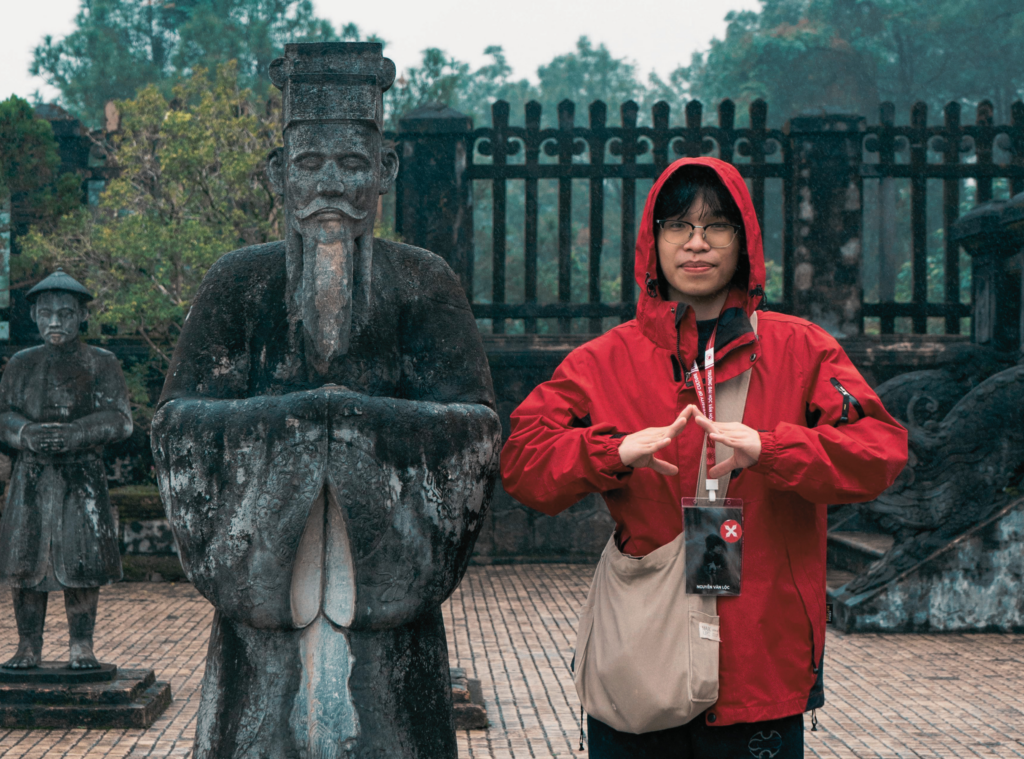
Your Tourism Brand Is Not the Main Character. Act Accordingly.
The tourism brands winning right now have made peace with the slightly humbling, but ultimately liberating notion that the place — the framework — is not the point. The traveler is. They are the star of the show, and your tour, your attraction, your destination is the stage.
The sooner your marketing reflects that, the sooner you stop competing on price and start competing on meaning.
If you want to figure out what identity-based positioning actually looks like for your brand, let’s talk. This is some of our favorite work to do.
FAQs
It means shifting your marketing from describing the place to describing what the traveler becomes. Instead of answering “what does it look like there?” you’re answering “who do I get to be if I go?” Identity-based tourism marketing creates stronger emotional connection, attracts higher-intent guests, and justifies premium pricing in a way that geography-based marketing can’t. See how Von Mack builds tourism brand strategy.
Because every destination on earth has been photographed in golden hour light and posted to social media. Visual appeal is table stakes — travelers expect it. Differentiation now lives in the story the traveler gets to tell about themselves afterward, and the brands that market that story command higher prices and stronger loyalty than the ones still leading with views.
Start by asking a different question before creating any content: not “what does this look like?” but “what does this do to the person who experiences it?” Then rewrite your web copy, social captions, and ad headlines to lead with outcomes rather than inventory. Our content marketing services for tourism brands are built entirely around this shift.
The transformation economy is the next stage beyond the experience economy. Where the experience economy sells memorable moments, the transformation economy sells genuine change — in skill, perspective, identity, or worldview. Research from both Arival and Skift points to younger and higher-income travelers increasingly choosing experiences specifically for the personal growth they represent, not just the entertainment value.
Consistently, yes. There is a meaningful price ceiling on entertainment, and almost no ceiling on transformation. Operators who market outcomes and identity rather than amenities and geography attract higher-intent guests, earn stronger reviews, generate more referrals, and face significantly less price pressure from competitors. A strategy session with Von Mack is usually where this kind of positioning clarity starts.
Carefully, and with conviction. The structural pull in destination marketing organizations is always toward “something for everyone” — but that approach produces marketing that means nothing to anyone. The solution isn’t to ignore stakeholders; it’s to build a primary traveler identity that drives the core brand, while giving individual stakeholders their moment within that framework rather than letting them each drive the bus. Von Mack works with DMOs and tourism boards on exactly this kind of positioning strategy.